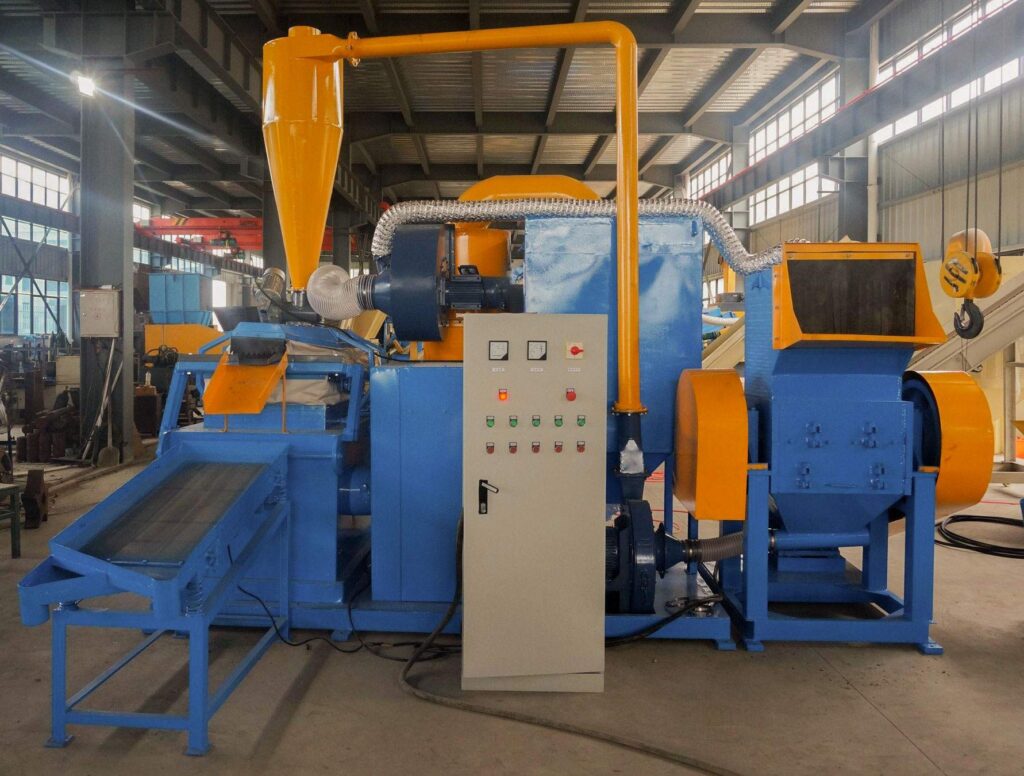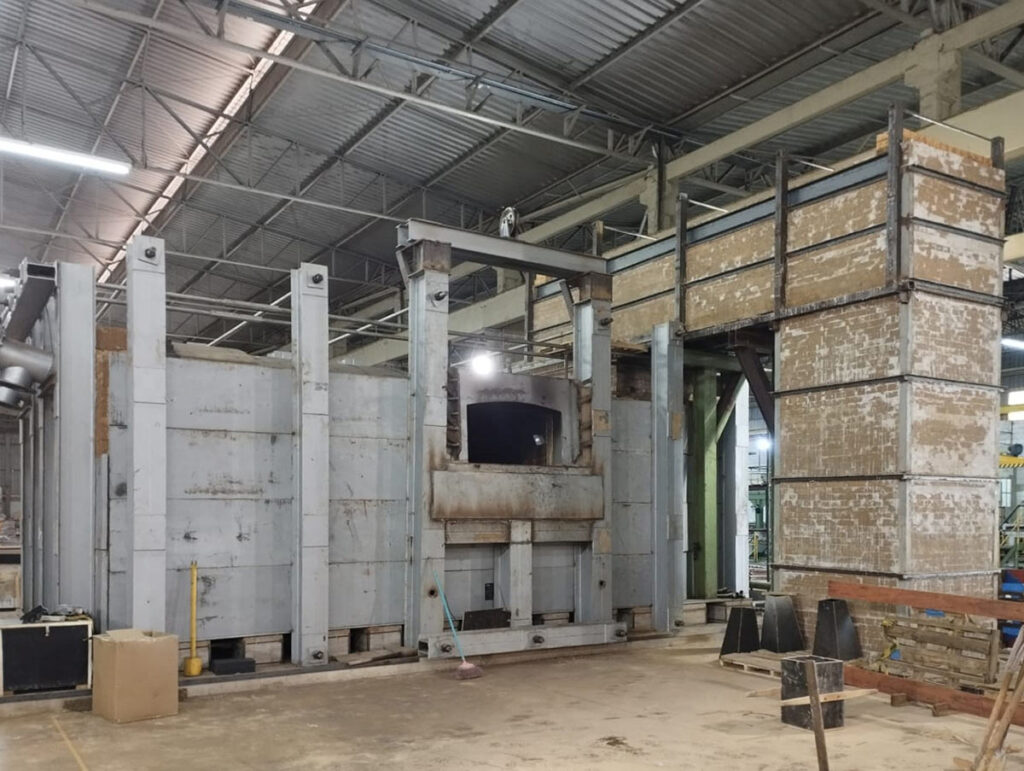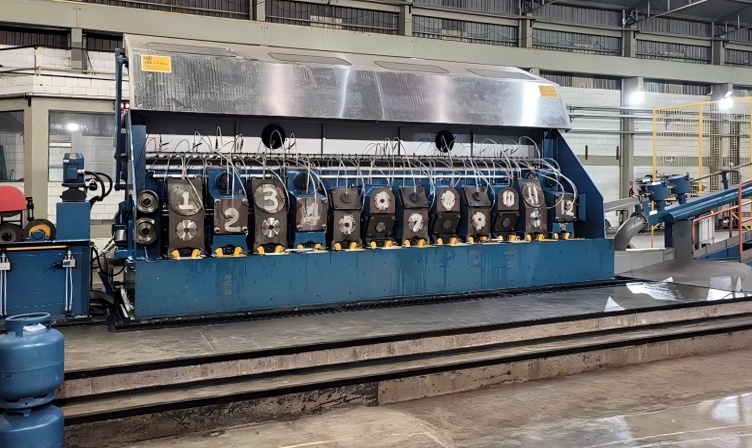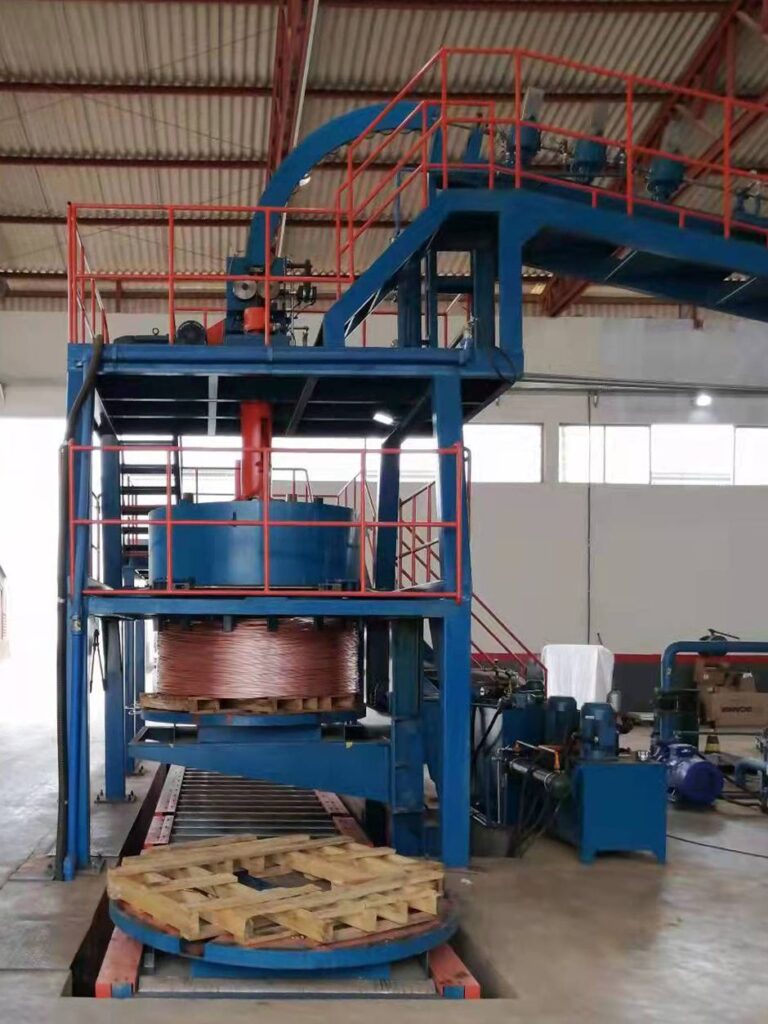
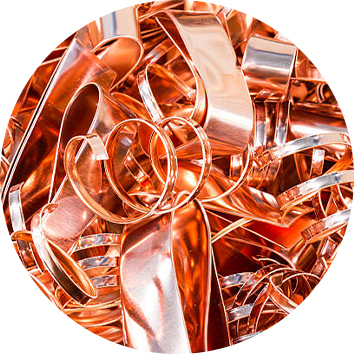
Copper scrap is a valuable secondary raw material that plays a critical role in the copper industry’s circular economy. It serves as a cost-effective and energy-efficient alternative to primary copper mining, significantly reducing production costs and environmental impact.
About COPPER SCRAP
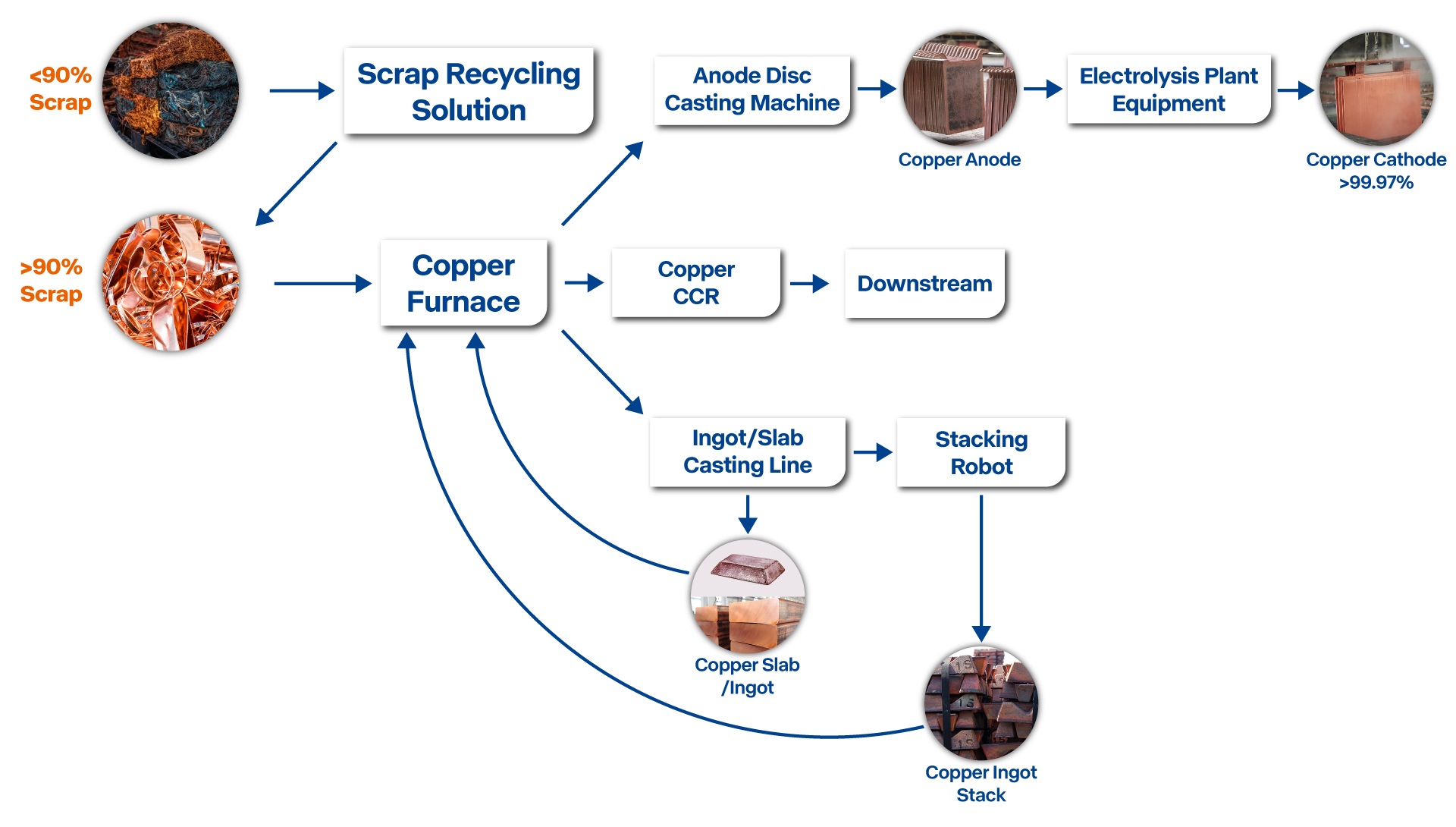
ii. Medium-grade scrap (90–96% Cu): Typically consists of clean but unsorted copper materials, suitable for melting and casting into anodes for electrolytic refining.
iii. High-grade scrap (>96% Cu): Includes clean copper wire, busbar offcuts, and tube scrap, which can be directly fed into CCR lines or upcasting systems to produce high-quality copper rod with minimal refining.
for high-purity applications requiring maximum conductivity.
for direct conversion into wire, busbar, strip, and other finished products.
for smaller-scale production with high flexibility.
By utilizing copper scrap, manufacturers not only reduce raw material costs and energy consumption but also achieve up to 95% energy savings compared to primary copper production from ores. This makes scrap processing an economically and environmentally sustainable choice for the copper industry.