About Copper Busbar
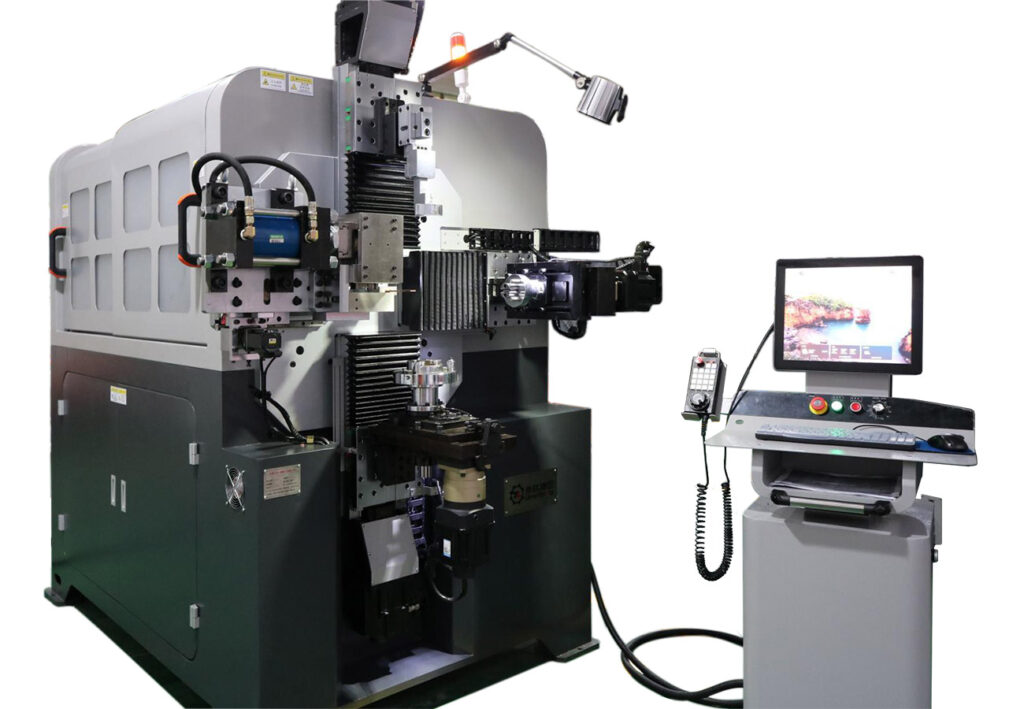
-Produced from Ø12.5–30mm copper rod via Konform TLJ350/400H/500 continuous extrusion and Draw Bench
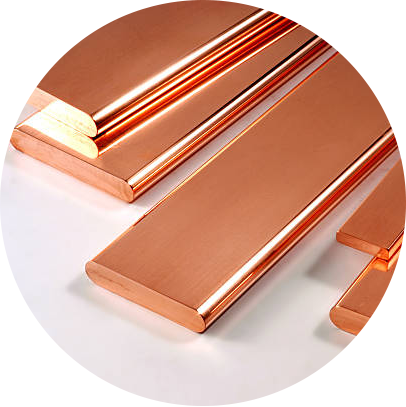
– Width: 20–300 mm (standard), up to 320 mm maximum
– Thickness: 3–20 mm (standard), up to 30 mm maximum
– Length: 3–6 m (standard), custom lengths available
– Cross-sectional area: 75–2000 mm² (standard), up to 6400 mm² maximum
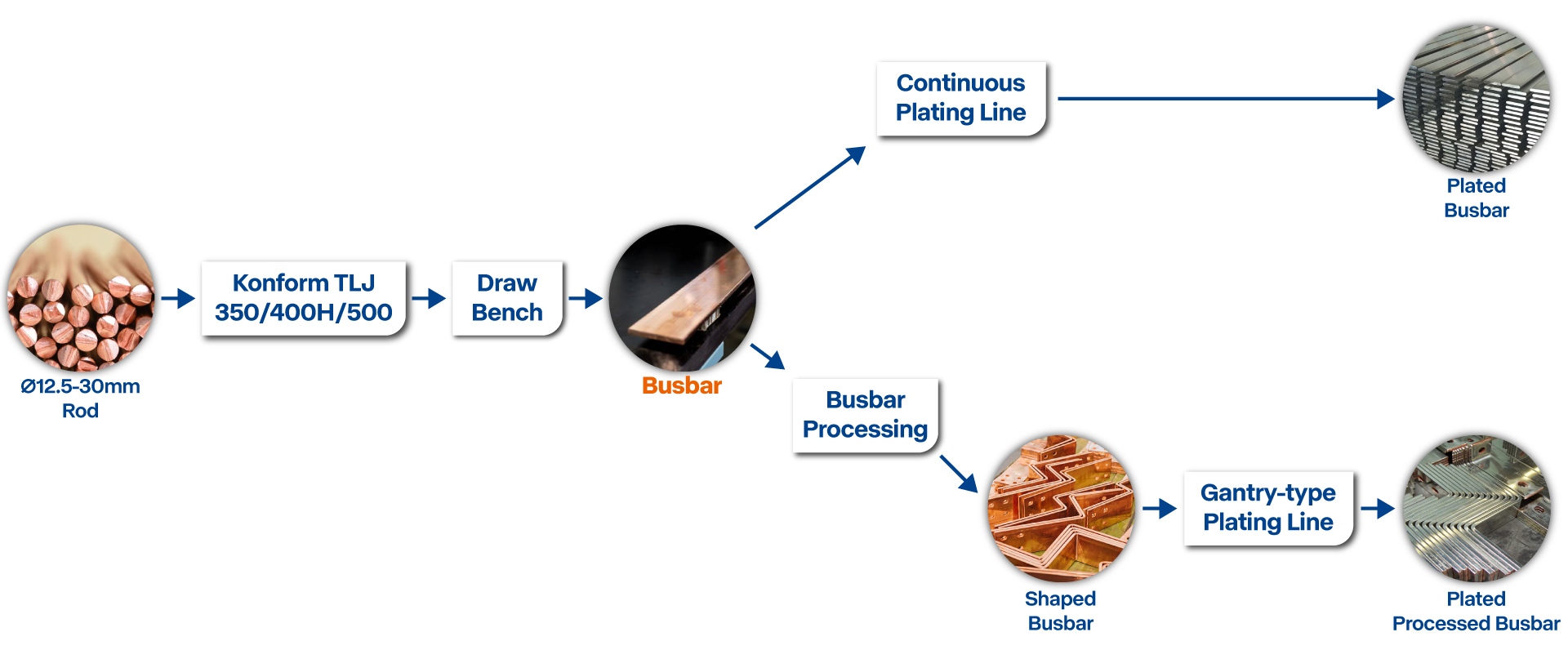
The production of copper busbar follows a well-established processing sequence. The starting material, typically Ø12.5–30mm copper rod, is first fed into a Konform TLJ350/400H/500 continuous extrusion machine, which converts the round rod into a flat or shaped profile. The extruded busbar then passes through a draw bench, where it undergoes precision cold drawing to achieve final dimensional tolerances, improved surface finish, and enhanced mechanical properties through work hardening. The resulting busbar can be further processed in two ways:
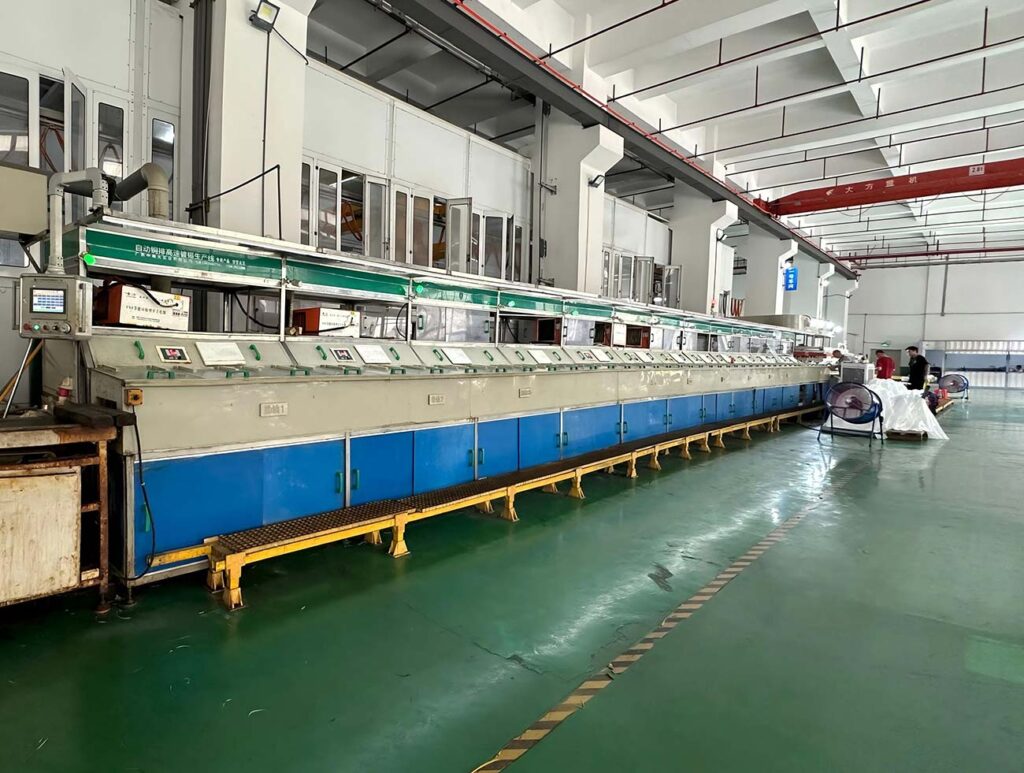
– Straight busbar: Processed through a continuous plating line for tin, nickel, or silver coating—delivering smooth surface, compact coating, and uniform thickness for high-volume production
– Shaped busbar: Processed through a gantry-type plating line for applications requiring short or curved busbars, up to three coating layers in a single operation, or complex geometries
The resulting plated processed busbar, whether straight or shaped, serves as a critical component in power distribution systems, including switchgear, panel boards, busway systems, transformer connections, and renewable energy installations. With its high conductivity, excellent mechanical properties, and superior surface finish, copper busbar provides a reliable and efficient power transmission solution for electrical and industrial applications.