SOLUTIONS

Aluminum Dross

Tips: Click on the hotspot to view specific devices.

aluminum dross

About Aluminum Dross

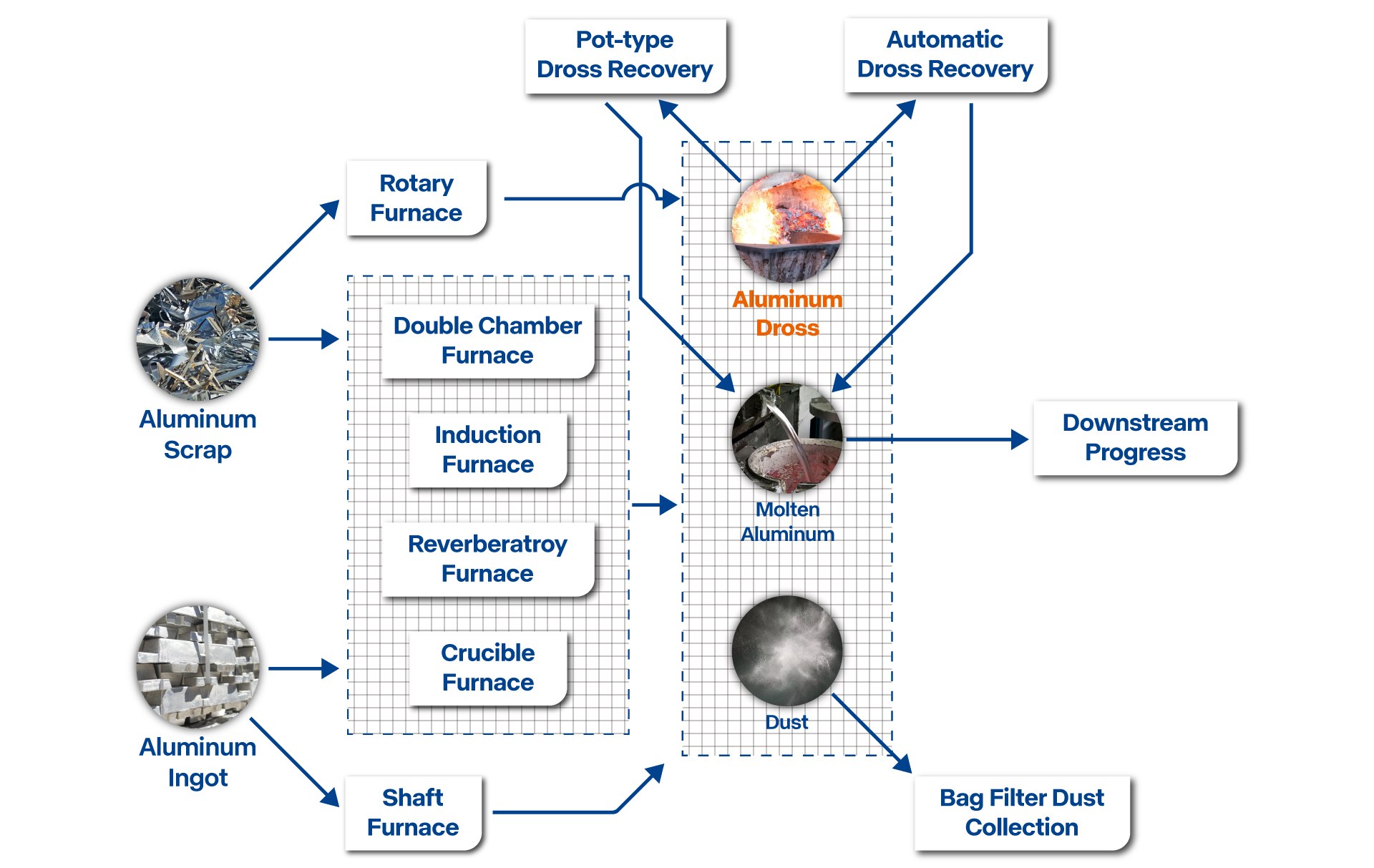
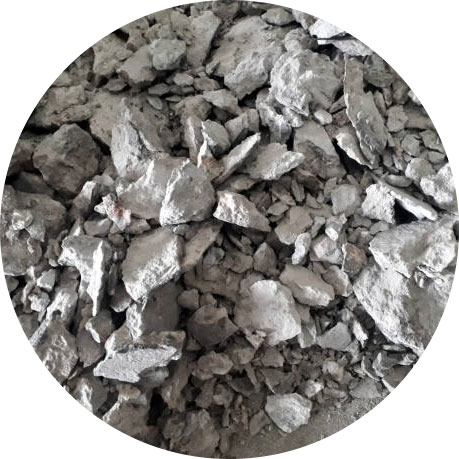
Aluminum dross is a by-product generated during the melting and refining of aluminum scrap in various furnace types. It consists of a mixture of metallic aluminum (typically 40-60%) and aluminum oxide (Al₂O₃), along with other impurities such as salts, flux residues, and metallic oxides. The aluminum content in dross represents both a valuable recoverable resource and a significant economic opportunity for aluminum recyclers.
• Sources
– Dross is produced from molten aluminum processing across multiple furnace technologies:
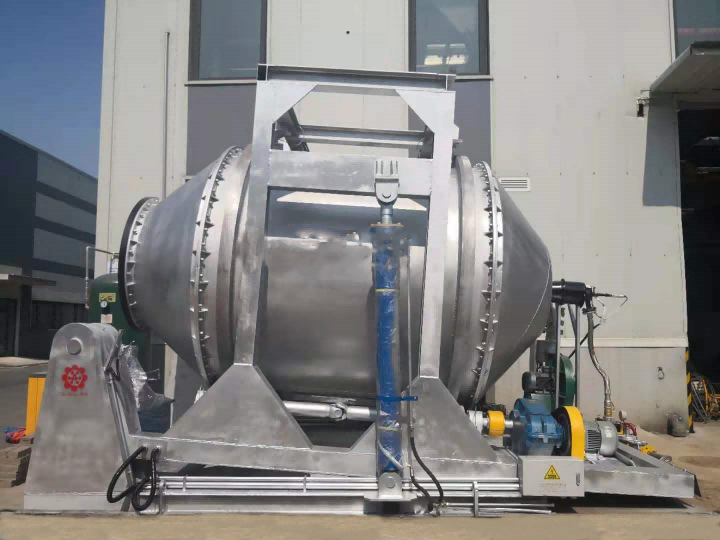
i. Rotary Furnace: Generates dross during contaminated scrap and turnings processing, with higher salt/oxide content
ii. Double Chamber Furnace: Produces cleaner dross due to its efficient two-chamber design for melting and holding
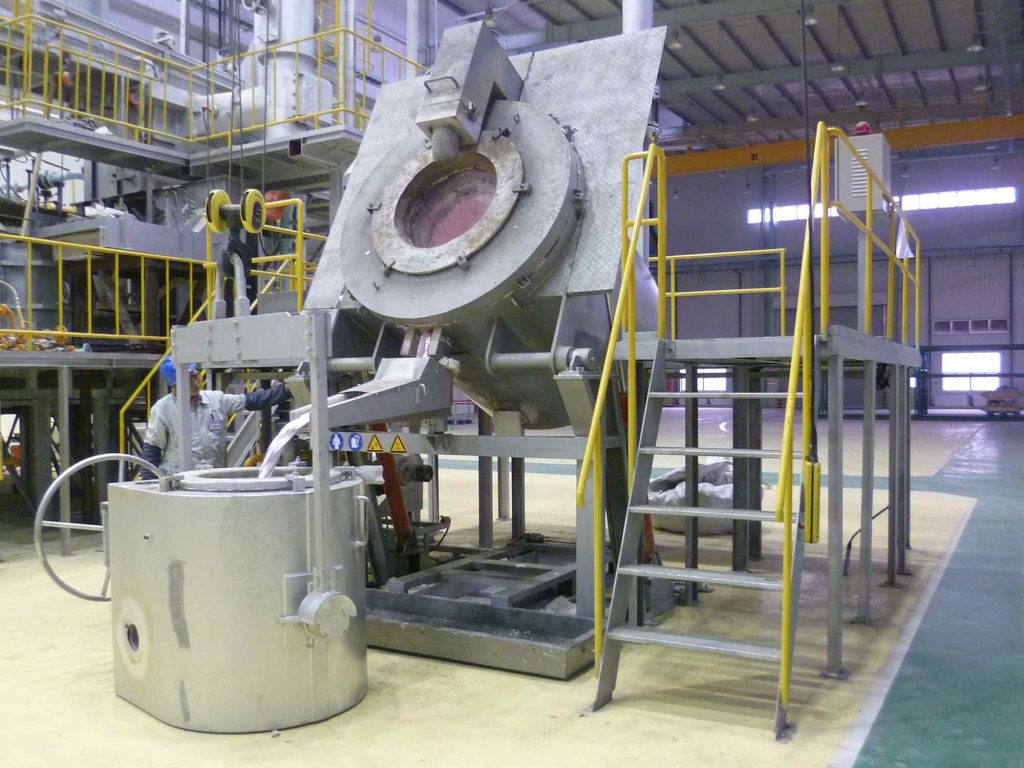
iii. Induction Furnace: Generates minimal dross due to rapid melting and excellent temperature control
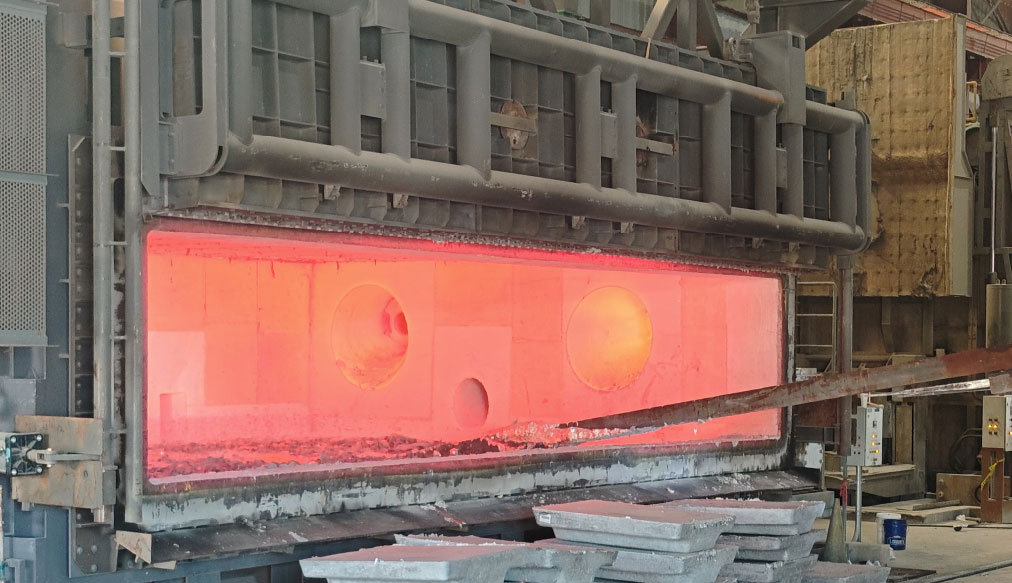
iv. Reverberatory Furnace: Produces significant dross during open-bath melting of diverse scrap types
v. Crucible Furnace: Generates dross during smaller batch alloy preparation operations
vi. Shaft Furnace: Produces dross during continuous melting of clean scrap and swarf with high throughput
 
• Processing Routes & End Products
The treatment of aluminum dross follows two primary processing paths:
– Automatic Dross Recovery: Integrated pot-type or automatic dross recovery systems that separate metallic aluminum from oxides directly in the melting area. The recovered molten aluminum is returned to the furnace, while the solid oxide residue moves to downstream processing.
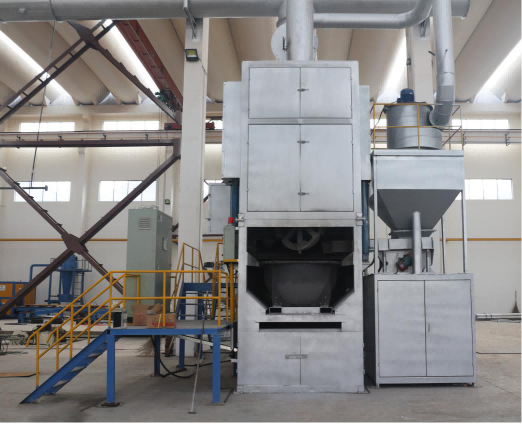
– Conventional Dross Recovery: Dross is removed from the furnace surface and processed in dedicated dross recovery equipment, including rotary furnaces and cooling/pulverizing systems.
 
The material recovered from dross processing returns to the aluminum production cycle as molten aluminum, which can be cast into ingots via aluminum ingot casting lines or used directly in downstream processes.
• Environmental & Operational Value
Material Recovery: The metallic aluminum recovered from dross represents a significant return on material investment.
Waste Reduction: Reduces landfilling of oxide-rich residues.
Energy Savings: Recovered aluminum requires only about 5% of the energy needed for primary aluminum production.
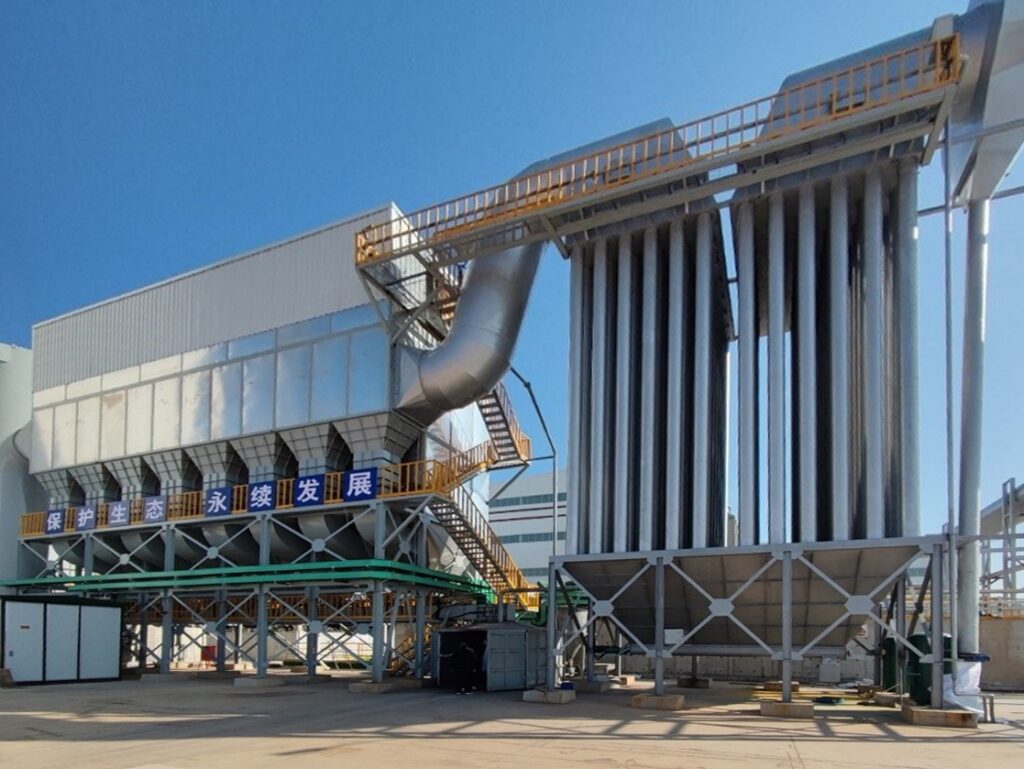
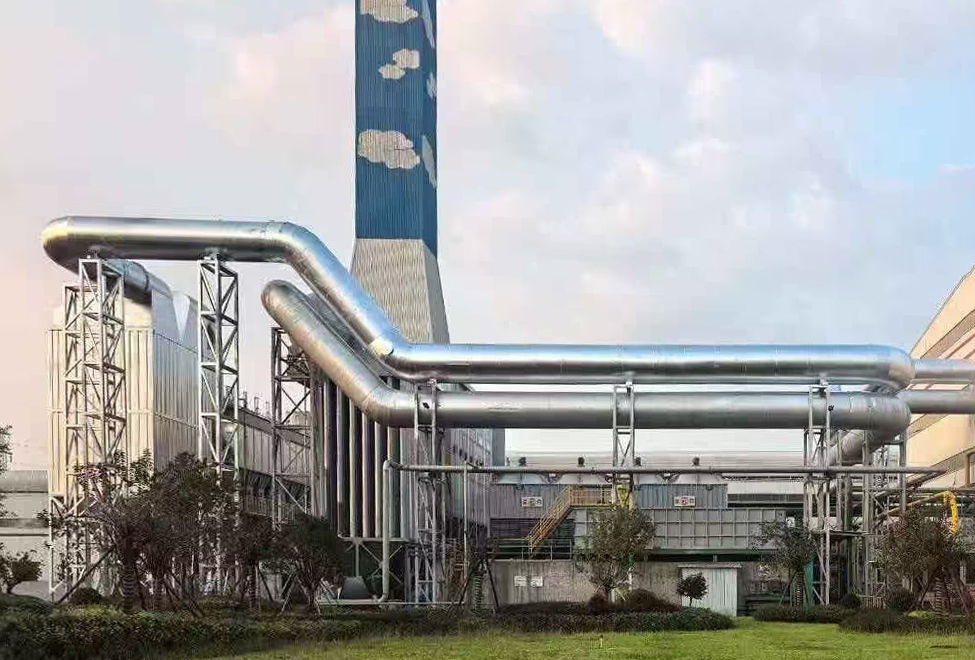
Environmental Compliance: Integration with Bag Filter Dust Collection systems ensures emissions meet environmental regulations.
 
Through these processing routes, aluminum dross transforms from a waste product into a valuable secondary resource, supporting both economic and environmental objectives in the aluminum recycling industry.

Aluminum Furnaces

Rotary furcae for alu

Rotary furnace

Crucible-furnace-1

Crucible furnace

Induction furnace

USA-Alu-Furnace-Project

Reverberatory furnace

Aluminum Recovery Machinery

dross recovery system for aluminum

Pot-type aluminum recovery

automatic aluminum dross recovery system

Automatic aluminum recovery system

Bag Filter Dust Collection

Bag filter dust removal system

Bag filter dust collection system

bag filter dust removal system

Bag filter dust collection overview