About Aluminum Wire
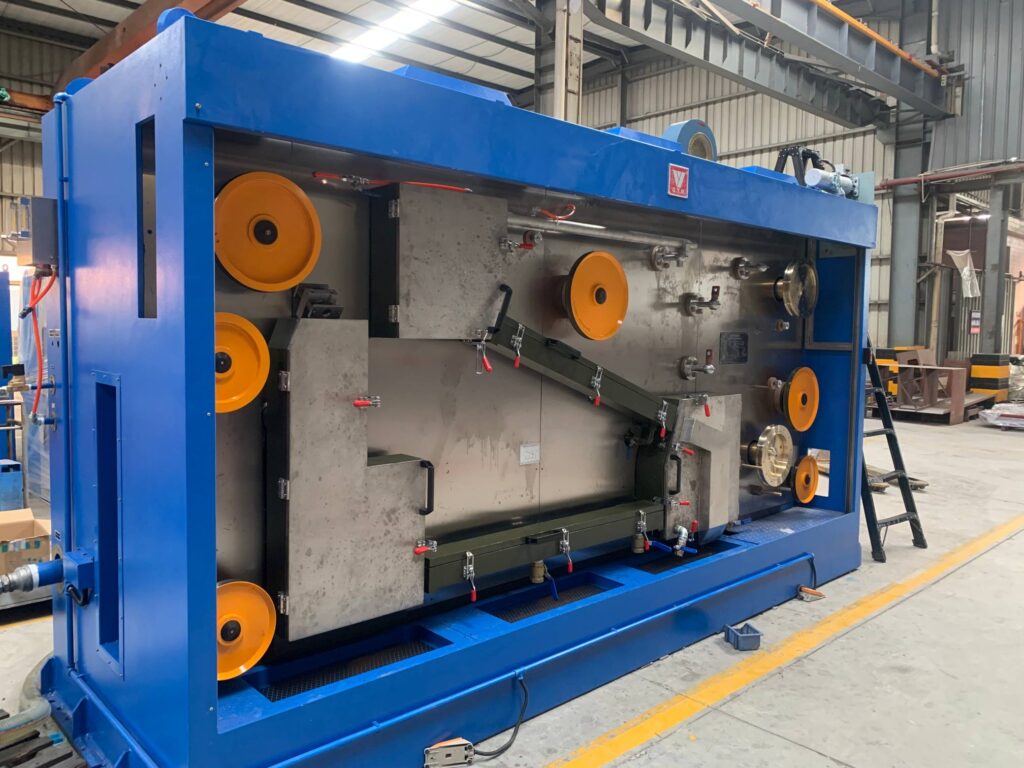
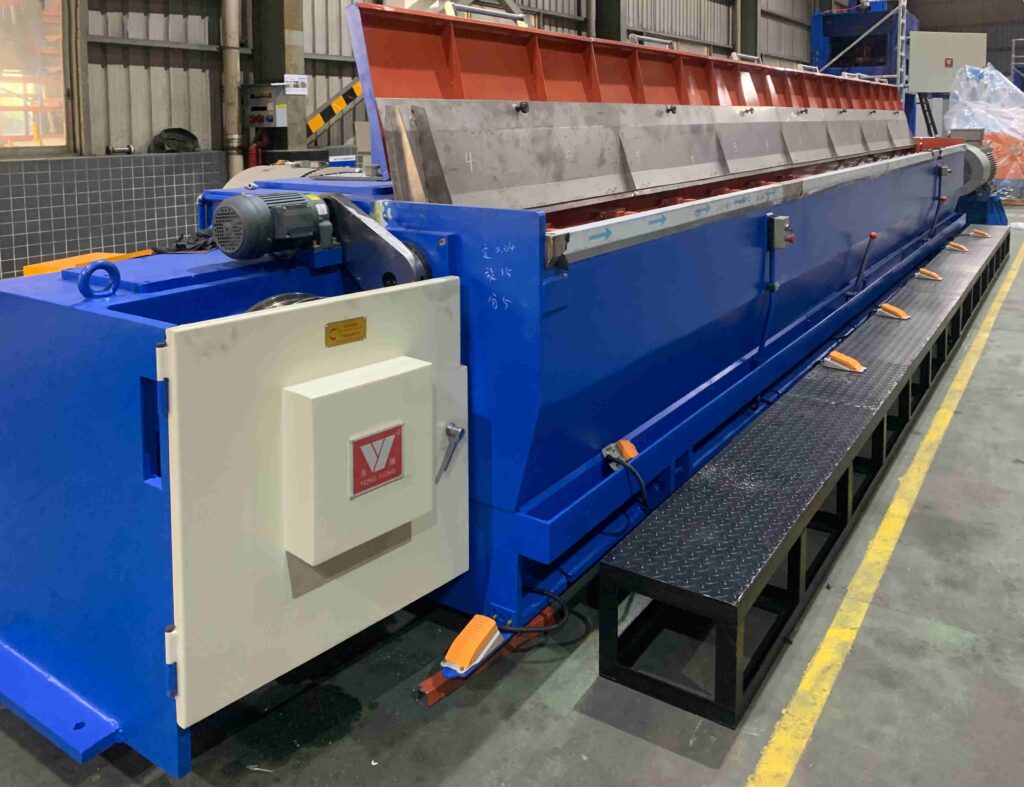
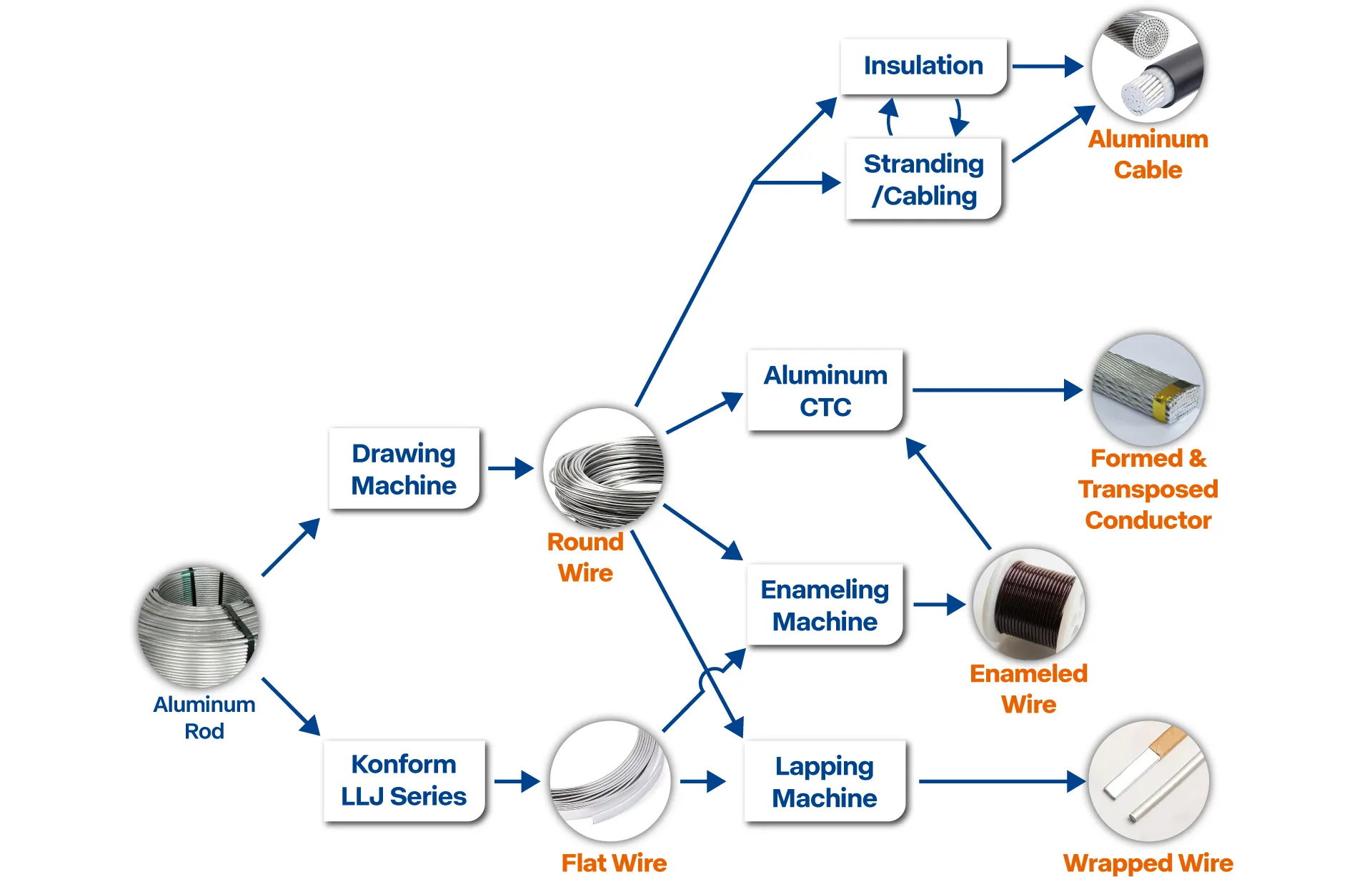
Produced from Aluminum Rod (via Drawing Machine or Konform LLJ Series). The rod is drawn through a series of dies to achieve the desired wire diameter and mechanical properties.
• Available Sizes
– Diameter range: 0.1 – 5.0 mm (depending on final application)
– Common sizes: 0.2mm, 0.4mm, 0.8mm, 1.0mm, 1.5mm, 2.0mm, 2.6mm
The production of aluminum wire follows two distinct processing routes from aluminum rod:
– Round Wire Route: Aluminum rod is drawn through a Drawing Machine to reduce its diameter to the required size. The drawn round wire can then be further processed in several ways:
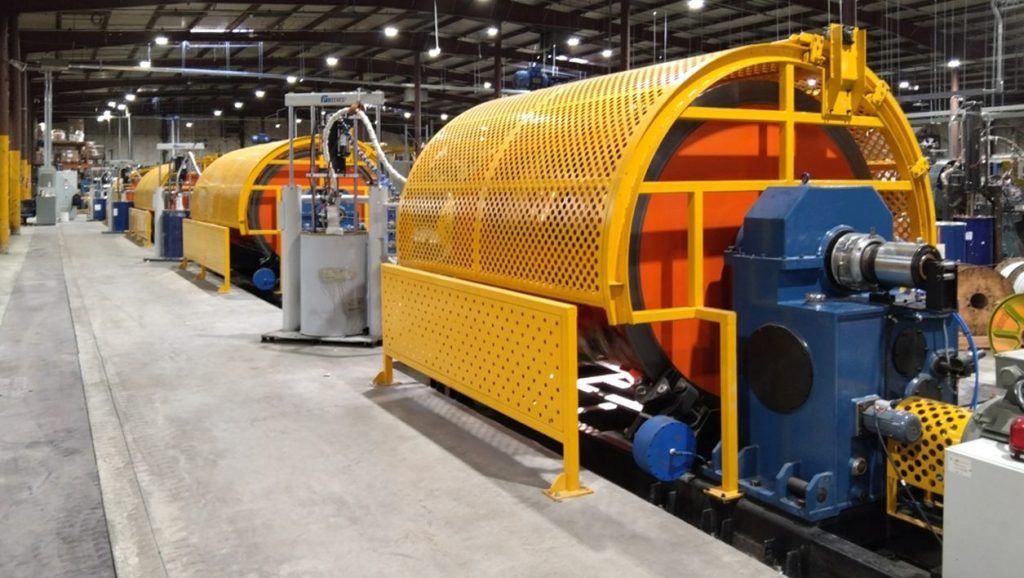
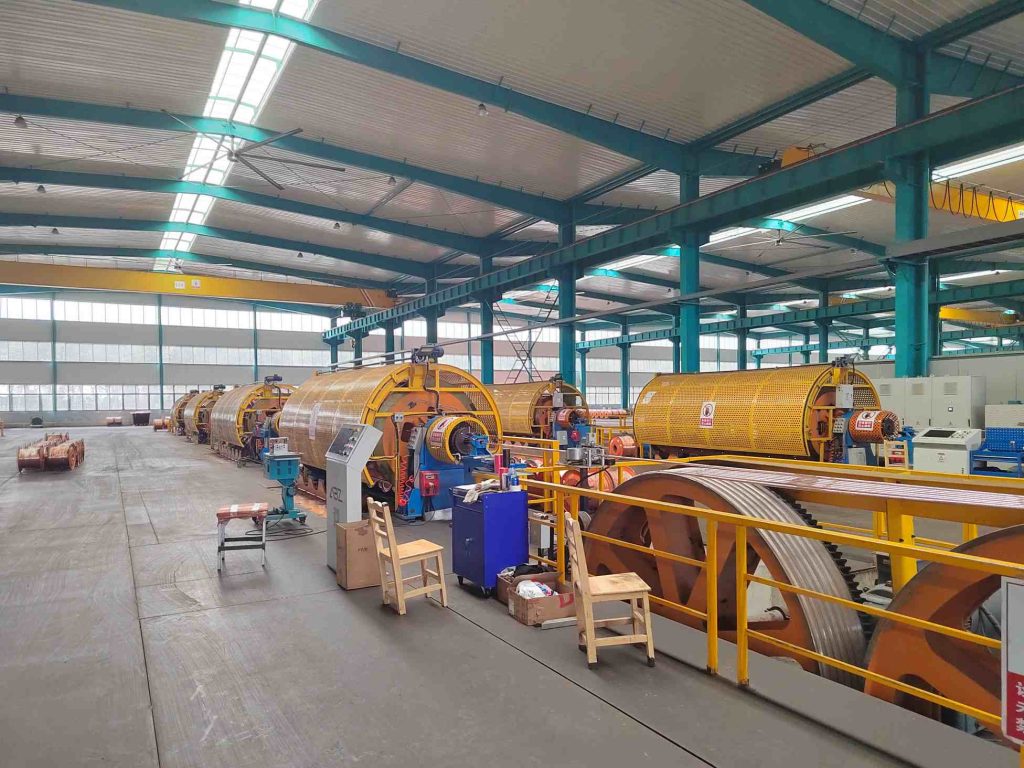
– Stranding/Cabling: Multiple wires are stranded or bunched together and insulated to produce power cables, control cables, and communication cables for electrical transmission and distribution
– Enameling Machine: The wire is coated with insulating enamel to produce magnet wire for motors, generators, transformers, and inductors
– Lapping Machine: The wire is wrapped with paper or fiber insulation for specialized transformer and reactor applications requiring enhanced dielectric strength
– Flat Wire Route: Aluminum rod is directly fed into a Konform LLJ Series continuous extrusion machine, which forms the rod into flat wire in a single step—eliminating the need for intermediate round wire. This flat wire is then used in transformer windings, or further processed into formed and transposed conductors for high-voltage applications.
The finished aluminum wire products serve critical roles across the electrical, energy, transportation, and telecommunications industries, delivering reliable conductivity, lightweight properties, and cost-effective performance in applications ranging from overhead power transmission lines to automotive wiring harnesses and consumer electronics.